01
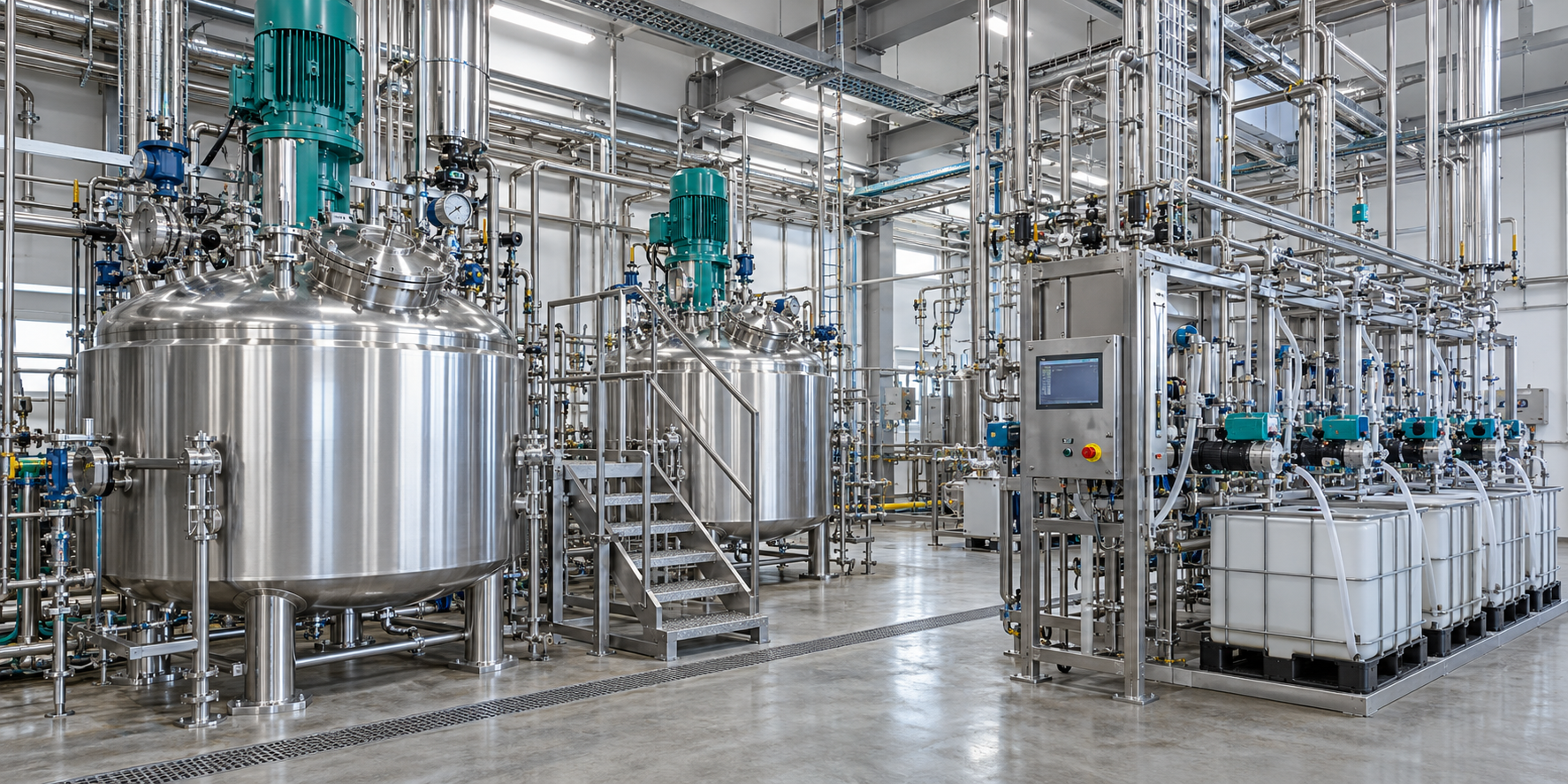
Raw material dosing
Meter feed rates, tank levels and raw-material quantities.
Chemical Manufacturing
Exact-model automation spare parts for batch, continuous and specialty chemical plants—from dosing and reaction control to separation, utilities and safety systems.
Request a chemical plant quoteWhere parts fit
Chemical plants depend on stable measurements, repeatable sequences and verified protection. A replacement must match the installed platform, signal type, revision and operating environment.
01
Meter feed rates, tank levels and raw-material quantities.
02
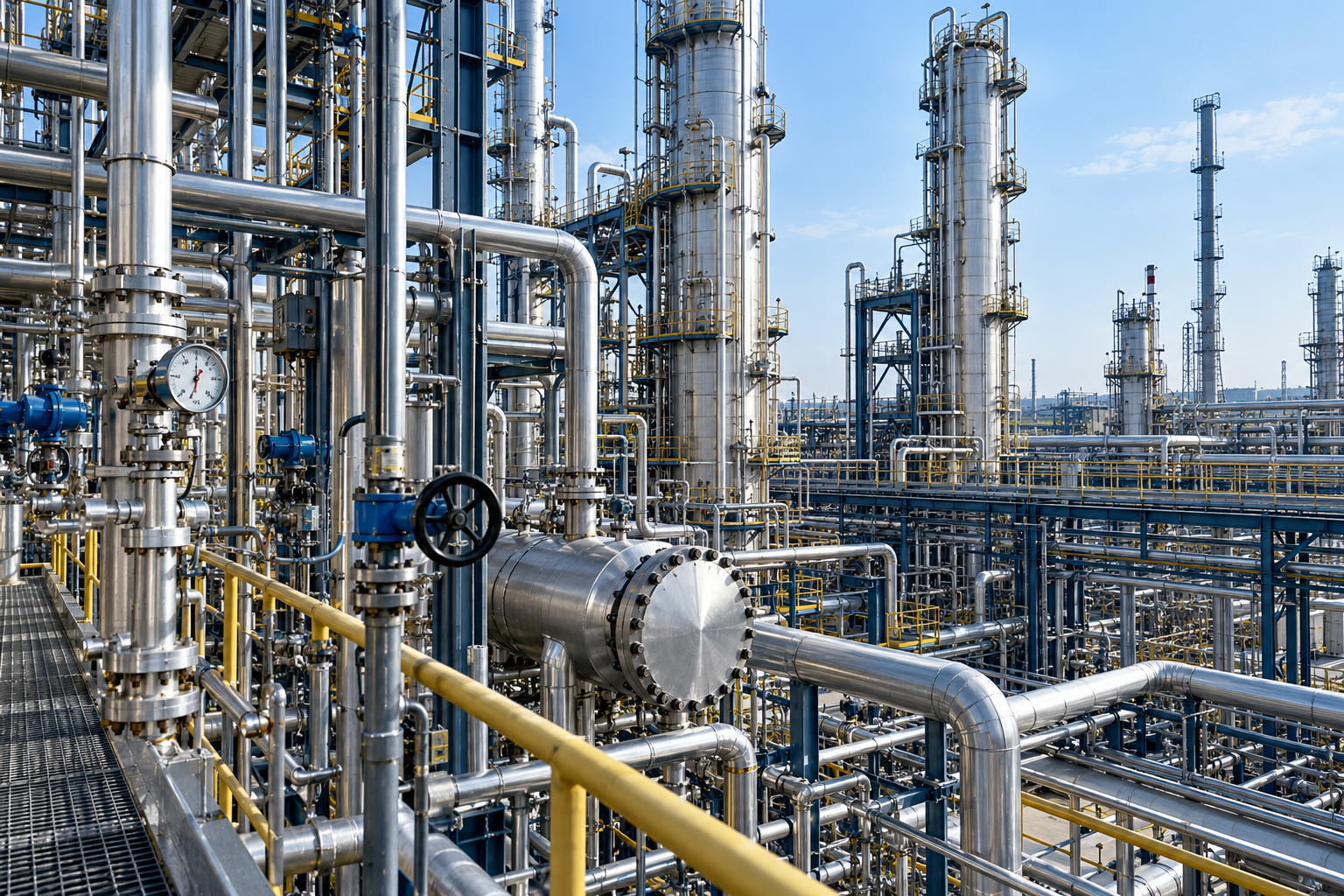
Control temperature, pressure, agitation and residence time.
03
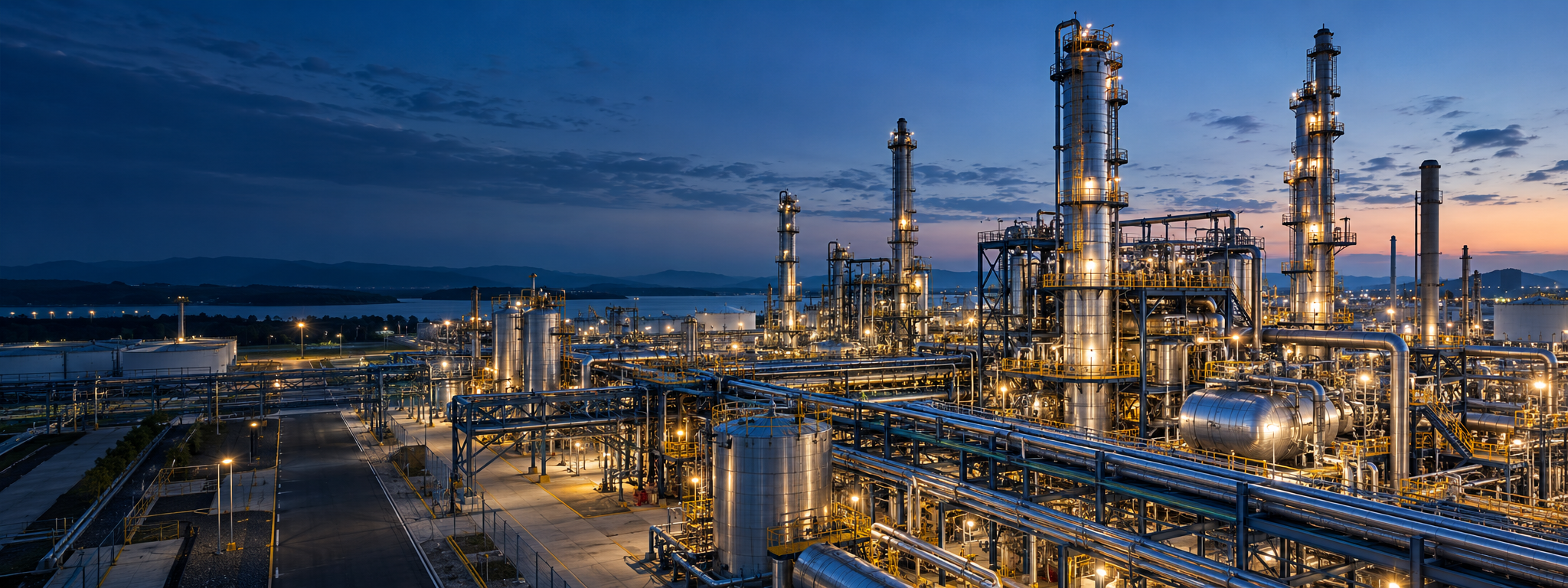
Coordinate distillation, filtration, centrifuges and solvent recovery.
04
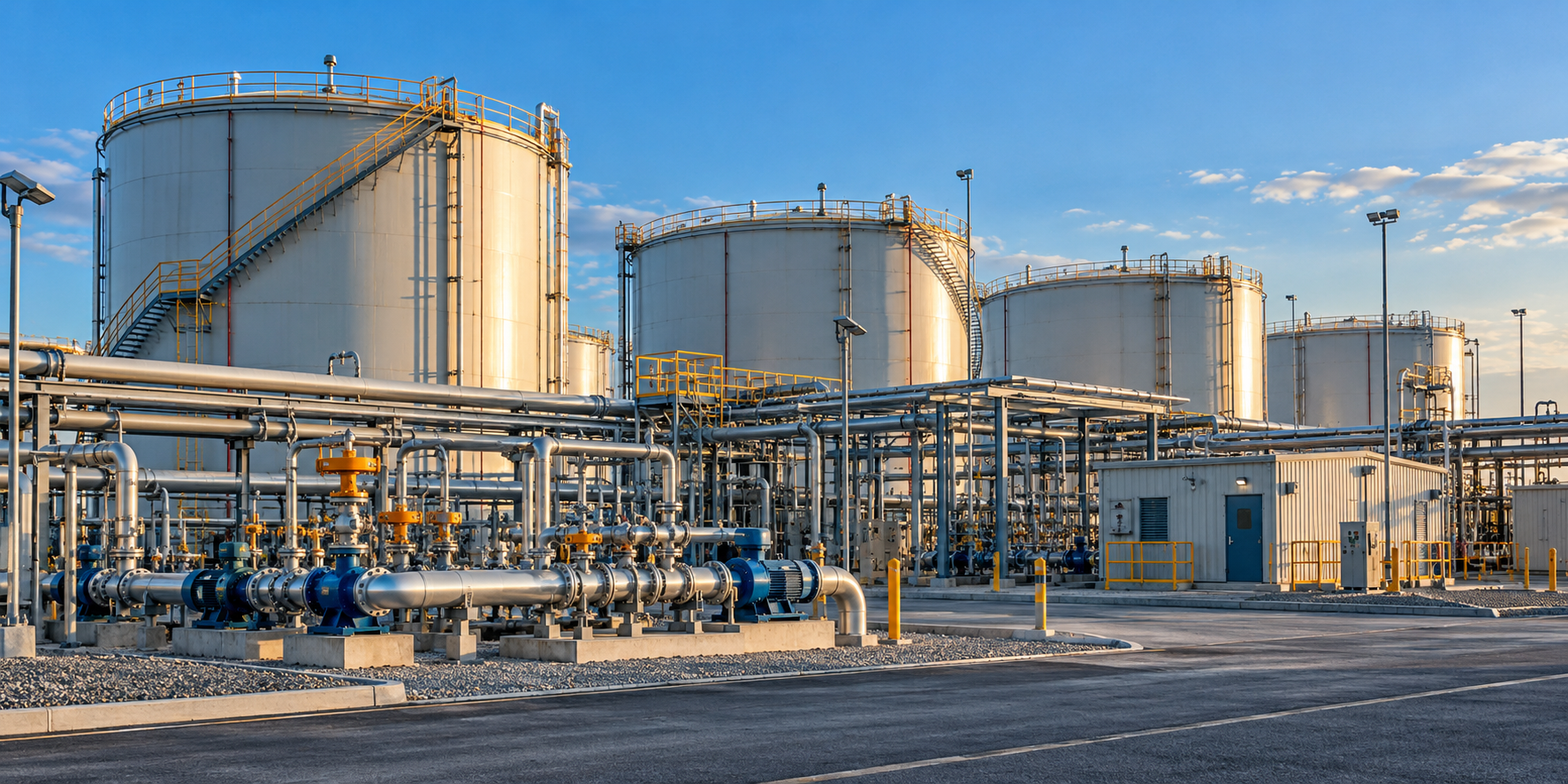
Monitor tank level, transfer lines, loading and containment conditions.
05
Support steam, cooling water, nitrogen, compressed air and wastewater.
06
Maintain alarms, interlocks, ESD and hazardous-area instrumentation.
Chemical manufacturing applications
Chemical manufacturing spare parts support reaction control, raw-material batching, material transfer, equipment monitoring and protective shutdown functions.
| Application | What the automation system does | Typical spare parts |
|---|---|---|
| Raw-material batching and charging | Measures weight, flow and level, then controls charging sequence and quantity according to the recipe. | PLC/DCS modules, weighing modules, flow meters and valve positioners |
| Reactor control | Regulates temperature, pressure, level and agitator speed to maintain process conditions. | Controllers, analog modules, temperature and pressure sensors, VFDs |
| Distillation and separation | Coordinates column temperature, pressure, reflux flow and level. | DCS control modules, I/O modules, transmitters and control valves |
| Material transfer and storage tanks | Controls transfer pumps and valves, monitors tank level and helps prevent wrong routing or overflow. | PLC/DCS modules, level instruments and drives |
| Compressors, pumps and fan monitoring | Monitors vibration, temperature and operating status to identify abnormal equipment conditions. | Vibration sensors, monitoring modules and temperature sensors |
| Safety interlocks and emergency shutdown | Performs isolation, trip or shutdown actions when defined hazardous conditions are met. | SIS controllers, safety I/O modules and safety relays |
| Utilities and wastewater | Controls cooling water, steam, compressed air and wastewater-treatment equipment. | PLC, I/O modules, VFDs and process instruments |
Temperature sensors measure the vessel. Input modules send the signal to the DCS, which compares it with the process setpoint and commands a control valve to change heating or cooling-media flow.
An operator selects the recipe. The control system verifies permissives, starts the charging pump, opens the correct valve and stops transfer at the target weight or flow total.
Procurement purpose: Chemical-manufacturing spare parts are mainly used to replace failed or aging controllers, cards, power supplies, drives and monitoring components. Chemical sites may require inspection-area and safety-instrument ratings.
The process picture
Different units use different instruments and control modules. The visual map helps maintenance teams connect the spare part to the process stage.
Flow meters, weighing, tank level and valve control.
Temperature, pressure and agitator feedback support stable conversion.
Distillation, filtration and centrifuge systems depend on sequenced control.
Steam, cooling, alarms and interlocks protect plant operation.
Control architecture
Automation spare parts sit inside a signal loop of instruments, logic, outputs and mechanical equipment. The correct part restores the approved operating sequence.
01 · Measure
Temperature, pressure, flow, level, pH, conductivity and analytical signals enter the control architecture.
02 · Decide
Controllers execute recipes, compare setpoints, manage permissives and trigger alarms or protective actions.
03 · Act
Output modules command pumps, agitators, dosing systems, control valves, heaters and variable-speed drives.
Practical case
When reactor temperature rises above the recipe target, the control system can reduce feed, adjust cooling duty and raise an alarm according to the approved logic. The replacement part may be a temperature input module, controller, output card, communication module or power supply—but the exact model must match the installed system and configuration.
Temperature probe measures the process
Controller logic checks target and limits
Cooling output commands a valve or drive
Alarm and trend verify the response
Model starting points
These are representative families only. Always verify the installed plant architecture before proposing a replacement.
| Brand | Representative series | Typical chemical-plant use |
|---|---|---|
| Siemens | S7-1500, ET 200SP, PCS 7, SINAMICS | Batch skids, dosing, utilities, drives and distributed process control |
| Emerson | DeltaV controllers, CHARMs I/O, Ovation | Recipe control, process instrumentation, batch and plant-wide operations |
| Honeywell | Experion C300, Series C I/O, Safety Manager | DCS, process I/O, alarm management and safety-related applications |
| Rockwell Automation | ControlLogix, CompactLogix, POINT I/O, PowerFlex | Packaging, blending, material handling and skid-based process systems |
| Schneider Electric | Modicon M580, M340, I/O, Altivar | Plant PLC, remote I/O, drives and utility control applications |
| ABB | 800xA, AC 800M, S800 I/O, ACS880 | Continuous process control, motors, drives and plant communication |
| Yokogawa | CENTUM VP, STARDOM, ProSafe-RS | Process DCS, remote control and safety-instrumented systems |
Before ordering
01 · Identify
Brand, controller family, rack position, firmware and project or unit name.
02 · Describe
Reaction, dosing, separation, utility, safety or hazardous-area application.
03 · Confirm
Quantity, condition, documentation, destination and planned shutdown date.
Chemical plant requirement
Send the full model number, equipment name and application context.
Inside the process
These process views connect the equipment to the control functions described above—from batch reaction and distillation to storage and transfer.